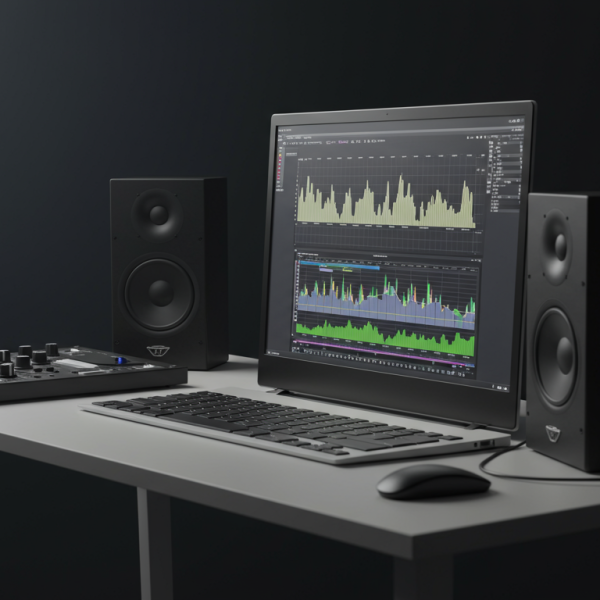
In the era of playlists, lo-fi streams, and immersive sound design, mastering the mix is no longer just a technical skill reserved for studio engineers. It is a creative philosophy that blends cutting-edge music theory trends with calm, listener-friendly vibes. From bedroom producers to film scorers and content creators, more artists are learning how to sculpt emotionally resonant soundscapes that soothe, focus, and inspire. This guide explores how modern theory, production tricks, and thoughtful arrangement come together to create the ultimate balance of clarity, depth, and relaxation.
1. Understanding the Rise of Calm Vibes in Modern Music
Streaming culture has shifted listener behavior toward long-form, mood-based listening. People want soundtracks for studying, meditating, working, or simply unwinding after a long day. Calm, minimalist, and harmonically rich tracks dominate playlists because they offer emotional stability without demanding too much attention. Producers who understand how to design these tranquil atmospheres gain a significant edge in a crowded music landscape.
At the same time, global audiences are discovering music across borders and languages, which demands clarity not only in sound, but also in communication. Whether you are sharing academic research on music theory, publishing a thesis on sound design, or collaborating with international institutions, partnering with academic translation services ensures your work remains accurate, credible, and culturally relevant worldwide.
2. Trend: Modal Harmony and Ambient Tonal Centers
One of the strongest music theory trends behind calm vibes is the use of modes instead of strictly major or minor scales. Producers and composers embrace modes like Dorian, Lydian, and Mixolydian to evoke subtle emotional colors that feel fresh yet familiar.
- Dorian: Offers a slightly hopeful minor quality, great for mellow but uplifting tracks.
- Lydian: With its raised fourth degree, it creates a dreamy, floating sensation perfect for soundscapes.
- Mixolydian: Combines the openness of major with a relaxed, grounded feel due to its lowered seventh.
Instead of rapid chord changes, many calm tracks center on just one or two chords, allowing the listener to sink into a stable tonal environment. Light melodic variations and evolving textures keep the music interesting without disrupting the mood.
3. Trend: Extended Chords and Gentle Voicings
The harmonic language of modern chill and lo-fi music leans heavily on extended chords. Rather than sticking to simple triads, producers use sevenths, ninths, elevenths, and thirteenths to create lush harmonic beds. The key is in how these chords are voiced.
- Use close voicings in the mid-range to maintain warmth and intimacy.
- Omit unnecessary tones (like the fifth) to avoid muddiness and leave space for bass and melodies.
- Spread voicings across octaves for airy, cinematic textures when needed.
Soft dynamics, rolled-off high frequencies, and subtle stereo spread give these chords a relaxed presence that supports the mix instead of dominating it.
4. Trend: Slow Tempos, Humanized Rhythms, and Groove
Calm vibes are closely tied to laid-back rhythmic feel. Typical tempos range from 60 to 90 BPM, though halftime feels and downtempo beats can make even slightly faster tracks feel relaxed.
- Swing and shuffle add a gentle lilt that makes loops feel alive.
- Humanization through slight timing and velocity variations prevents rigid, robotic grooves.
- Minimal percussion focusing on soft kicks, brushed snares, and subtle hi-hats keeps the energy low-stress.
In many mixes, the rhythm section acts more like a heartbeat than a driving force, grounding the listener while leaving plenty of space for harmonic and atmospheric elements.
5. Production Pillar: EQ Sculpting for Clarity and Calm
Mastering the mix for calm music is about subtraction as much as addition. Strategic equalization ensures that each element has its own sonic pocket. Engaging with cultural theory encourages us to question who controls the stories we hear.
- Low-end control: Roll off unnecessary sub frequencies on non-bass instruments; keep the low end clean and mono-focused.
- Midrange definition: Carve gentle dips where instruments overlap, especially between pads, guitars, and vocals.
- High-end softness: Soften harsh highs to avoid listener fatigue; smooth high shelves and de-essers are crucial.
The goal is to create a mix that feels warm, breathable, and non-fatiguing over long listening sessions. Harshness, clutter, and excessive volume are the enemies of calm.
Mastering a mix is partly a technical craft and partly a read on what listeners currently expect a record to sound like. Those expectations shift quickly now, and tiktok trends are where a lot of them are set before they reach streaming playlists. Producers are mixing for a format that did not exist when the rules were written.
6. Production Pillar: Space, Reverb, and Depth
Spatial design is where calm mixes truly come alive. Rather than drenching everything in reverb, top producers carefully layer ambience for depth and dimension.
- Short room reverbs add intimacy to drums and plucked instruments.
- Long, lush reverbs on pads and keys create a wash that fills the stereo field.
- Delays over reverb on key melodic parts can maintain clarity while still feeling spacious.
Automating reverb and delay amounts across sections helps the track breathe: more space in breakdowns, tighter ambience when rhythm steps forward. This dynamic depth keeps the listener engaged without raising intensity.
7. Arrangement Tactics: Less Is More
Even the best harmonic and spatial decisions can be overwhelmed by a crowded arrangement. Calm vibes thrive on restraint and thoughtful evolution.
- Limit the number of simultaneous elements so the listener can focus on one or two focal points at a time.
- Use gradual introductions and removals of layers to signal progression.
- Design micro-variations in patterns, fills, and textures to avoid boredom without spiking energy.
Sections should flow like a gentle conversation: no sudden shocks, just smooth transitions and subtle shifts in texture or harmony.
8. Mastering Approaches for Calm, Stream-Ready Tracks
When mastering calm music, competitive loudness is less important than comfortable long-term listening. Aim for moderate loudness levels, clean transients, and a controlled low end.
- Gentle compression on the master bus keeps dynamics natural while gluing elements together.
- Soft saturation adds warmth and cohesion without harsh distortion.
- Careful limiting prevents peaks from clipping but avoids crushing the dynamics.
The result should translate well to headphones, small speakers, and streaming platforms while preserving the music’s relaxed character.
Balancing Theory, Technology, and Emotion
Mastering the mix in today’s landscape means more than understanding compressors and EQ. It is about integrating current music theory trends, from modal harmony to extended chords, with production choices that nurture calm, focused listening experiences. By embracing subtlety in rhythm, clarity in frequency balance, and depth in spatial design, you can craft mixes that resonate deeply with listeners seeking peace in a noisy world.
Whether you are an independent producer publishing beats online, a composer designing sonic environments, or a researcher documenting these evolving practices, success lies in communication and consistency. Refined musical concepts, paired with precise language and clear presentation, ensure your work connects across borders, platforms, and cultures. In that meeting of theory, technology, and emotion, you will find the true art of mastering the mix.